




Located on London’s vibrant Southbank, Tate Modern is one of the world’s most iconic museums for modern and contemporary art. Housed in a former power station, it attracts millions of visitors each year with its unique architectural presence and extraordinary range of cultural products. From monumental installations to digital experiences, Tate Modern offers a wide portfolio of experiences that make art accessible and engaging.
Keypoints
- Tate Modern houses a world-class permanent collection of 20th and 21st century art
- Its Turbine Hall commissions are globally recognized cultural products
- The museum offers digital programs, guided tours, and immersive exhibitions
- It includes retail and dining experiences tied to art and design
- Pros and cons highlight its accessibility and influence as well as occasional criticisms

Permanent Collection as a Core Product
At the heart of Tate Modern is its extensive collection of modern and contemporary artworks. The collection spans movements from Cubism and Surrealism to Pop Art and Minimalism, featuring artists like Picasso, Rothko, and Kusama. This permanent collection, free to the public, is one of its most celebrated cultural products.
Turbine Hall Installations
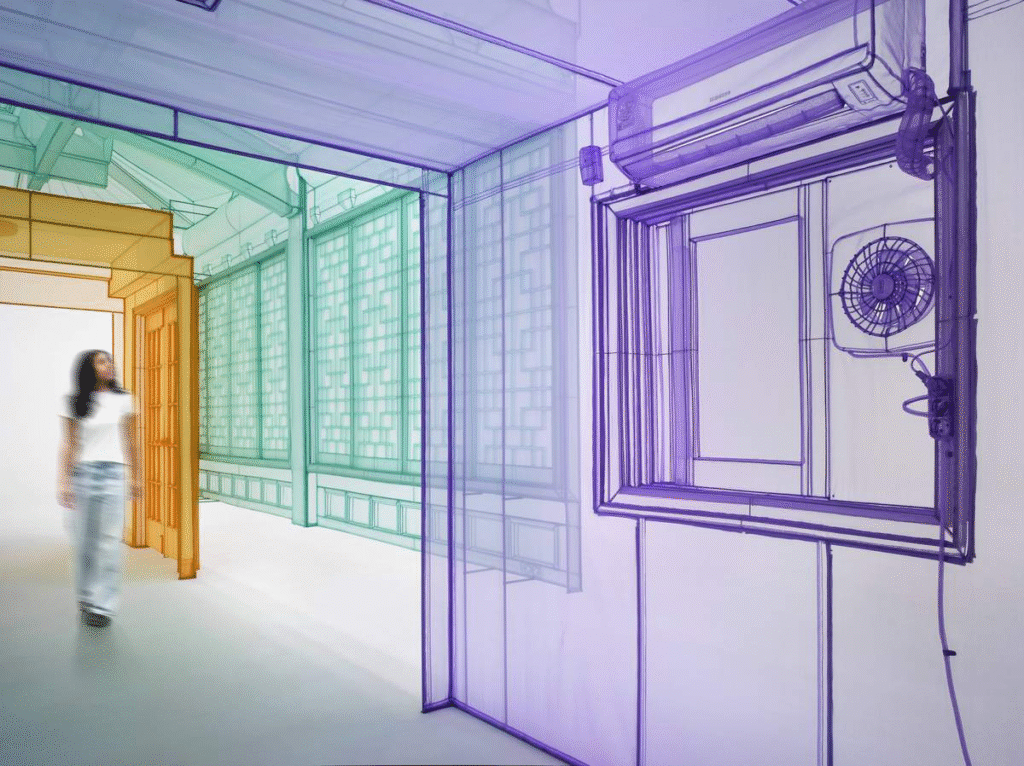
The Turbine Hall of Tate Modern has become synonymous with large-scale art commissions. These installations often transform the vast industrial space into immersive environments that inspire awe and debate.
- Focuses on experimental, site-specific art
- Provides opportunities for global artists to create at monumental scale
- Serves as a defining product unique to the institution
Special Exhibitions and Ticketed Shows
Tate Modern also produces special exhibitions featuring retrospectives, thematic explorations, and global collaborations. These ticketed shows are a crucial product line, generating revenue while offering visitors access to rare and important works.

Digital and Virtual Experiences
As a modern institution, Tate Modern has invested in online products, offering virtual tours, digital archives, and educational content. These allow global audiences to engage with the collection without traveling to London.
Learning and Education Programs
Tate Modern offers educational products for schools, families, and communities. Workshops, lectures, and creative activities turn the museum into a dynamic learning hub.
Retail and Merchandise Products
The museum shop at Tate Modern is another significant product. It offers art books, prints, design objects, and exclusive merchandise inspired by current exhibitions and the permanent collection.

Dining and Hospitality Experiences
Restaurants and cafes at Tate Modern are part of its cultural offerings. Dining with a view of the Thames or in design-led spaces complements the art experience, extending the museum into lifestyle territory.
Tate Membership and Patron Products
Memberships are another product of Tate Modern. These offer unlimited exhibition access, exclusive previews, and invitations to special events, reinforcing the museum’s role as a community for art lovers.
Global Collaborations and Touring Exhibitions
Tate Modern also creates partnerships with museums worldwide, sharing its collection and co-curating exhibitions. These collaborations expand its reach and influence as a cultural institution.
Pros of Tate Modern
- Free access to the permanent collection
- Innovative Turbine Hall commissions unique in the art world
- Diverse product lines including education, retail, and digital content
- Strong global brand and partnerships
Cons of Tate Modern
- Special exhibitions can be costly for visitors
- Large crowds may limit the intimacy of the art experience
- Focus on modern and contemporary art may not appeal to all audiences
Why Tate Modern Remains a Cultural Powerhouse
With its blend of physical and digital products, Tate Modern has solidified itself as a cultural leader. Its accessible model, world-class exhibitions, and innovative programming make it not only a museum but also a platform for cultural engagement and global dialogue.