





Selecting the right cycling apparel is one of the most overlooked factors in building a cycling routine that actually sticks. Most riders focus exclusively on their bikes, but what you wear beneath matters far more than many realize. The difference between uncomfortable, chafing kit and apparel that feels like a second skin can mean the difference between enjoying long rides and dreading them.
Cycling clothing has evolved significantly over the past decade. Modern performance fabrics offer moisture-wicking capabilities, thermal regulation, and durability that casual athletic wear simply cannot match. When you invest in quality cycling apparel, you are investing in your comfort, performance, and long-term enjoyment of the sport.
Understanding Fit Categories

Not all cycling jerseys are created equal. The fit spectrum ranges from relaxed club cuts to aggressive race-oriented designs. Relaxed fits offer more room through the chest and shoulders, making them ideal for casual recreational riders and those who prefer a comfortable, non-restrictive feel. Race fit jerseys are more tapered, designed to reduce wind resistance and sit closer to your body during intense efforts.
The key is matching the fit to your riding style and body type. Someone training for touring will benefit from a more relaxed cut that allows ventilation and easy movement over long distances. A rider targeting competitive events might prefer race fit for aerodynamic advantage. Many riders actually benefit from keeping both styles in their wardrobe for different ride types.
When evaluating fit, pay attention to where seams sit on your shoulders and how the hem sits at your waist. Quality cycling apparel from Le Col uses construction techniques that account for the forward-leaning riding position, ensuring seams stay exactly where they should be even during extended efforts.
Fabric Technology and Seasonal Selection
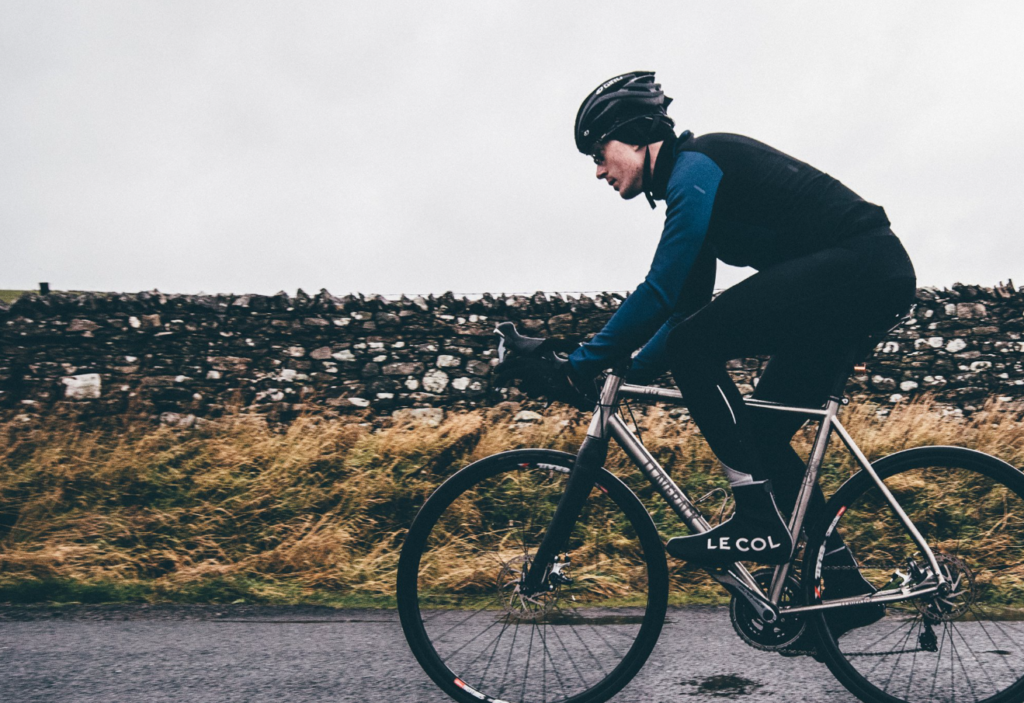
Modern cycling fabrics are engineered for specific conditions. Summer jerseys typically use lightweight, breathable materials with minimal insulation. Winter kits feature thermal linings and wind-resistant outer shells that maintain warmth without excessive bulk. Transition seasons benefit from versatile layering that adjusts to changing conditions.
The fabric’s weight matters as much as its composition. A 100-gram jersey moves moisture quickly but offers little insulation. A 200-gram fabric provides both moisture management and meaningful thermal regulation. Understanding these specifications helps you build a year-round wardrobe without overspending on redundant pieces.
Look for fabrics that offer UPF protection if you spend significant time on exposed roads. Sun damage isn’t just about comfort during your ride, it contributes to fatigue and recovery issues. Le Col’s apparel collections balance protection with breathability across all seasons.
Essential Measurements and Sizing

Proper sizing requires more than just chest measurements. Arm length, torso length, and shoulder width all influence how well a jersey will perform during riding. Some brands cut generously in the shoulders for those with broader builds. Others prioritize longer torsos for taller riders. This is why trying on multiple sizes, or shopping with brands known for consistent sizing, matters.
Your measurements should be taken while wearing minimal clothing and standing upright. When cycling, you will be in a forward-leaning position that changes your apparent dimensions. Account for this when sizing, leaving enough room for your riding position without excess fabric bunching.
Do not assume your usual shirt size translates to cycling wear. Many cyclists find they need different sizes across brands, or even different sizes within the same brand for different garments. Bib shorts, for instance, often require a different sizing approach than jerseys due to the unique fit demands of the chamois and leg sections.
Chamois Quality and Fit

If you are wearing bib shorts, the chamois is perhaps the single most important component affecting your ride quality. Premium chamois materials distribute pressure evenly, resist moisture accumulation, and maintain their properties over hundreds of wash cycles. Budget chamois feels adequate during a two-hour ride but becomes genuinely uncomfortable beyond three hours.
Chamois fit depends on your sit bone width and riding position. Road cyclists with aggressive drops require different chamois designs than gravel riders using more upright positions. Padding thickness is another variable, with lighter riders often preferring thinner chamois and heavier riders benefiting from additional cushioning.
When shopping for cycling apparel with quality chamois, test your shorts during shorter rides first. Many riders find their preferences shift over time as they log more miles and understand their body’s needs better.
Building a Functional Wardrobe
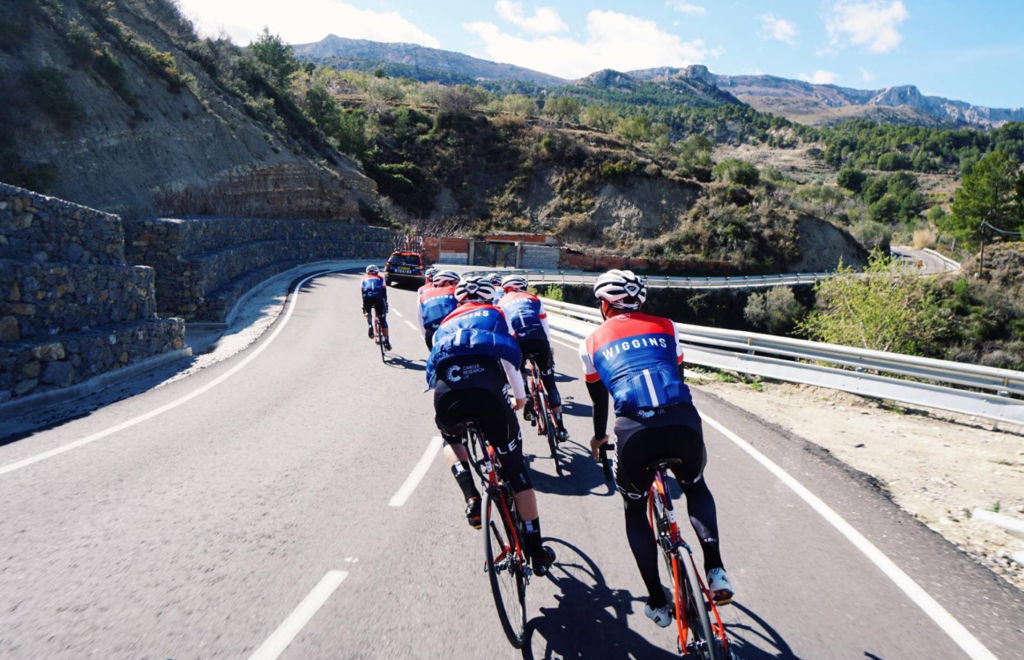
Rather than accumulating dozens of jerseys, successful cyclists build purposeful collections. Start with a reliable base jersey in a neutral color that pairs with most of your gear. Add a lightweight summer option and a thermal winter piece. Include a packable shell for variable weather. Finally, add pieces that match your specific cycling goals, whether that is mountain biking, road racing, or commuting.
Quality pieces from Le Col will outlast cheaper alternatives by years, justifying higher initial investment through durability and consistent performance. Wash your gear properly, hang dry rather than machine dry, and you will find premium cycling apparel maintains its properties well beyond average expectations.
Brand reputation matters too. Companies that have invested decades in cycling culture understand the nuances of fit and fabric that casual sportswear manufacturers miss. These brands build relationships with their customers by delivering reliability and continuous improvement.
Performance Testing Your Purchases

After selecting and purchasing new apparel, use your first few rides to identify fit issues or comfort concerns. Do seams rub? Does the jersey ride up during climbs? Does the chamois feel secure? Minor adjustments to your choice can prevent expensive mistakes before your wardrobe is fully committed.
Keep notes on what works and what does not. Over time, you will develop clear preferences around brands, fits, and specific product lines. This knowledge makes future purchasing decisions faster and more confident.
The cycling industry has recognized that fit is not one-size-fits-all. Visit retailers offering expert fitting services or shop with brands like Le Col that publish detailed sizing guides accounting for different body types and riding styles. Your future rides will reward the attention you give to getting your apparel selection right from the start.