





The Power of Cultural Storytelling
Culture has always been more than art, music, or tradition. It is the invisible thread that connects people, shaping how they see the world and how they interact with it. Today, brands are no longer just about selling products; they are cultural storytellers. Whether through fashion, food, or technology, a brand that taps into cultural values can create meaningful bonds with its audience.
Instead of being faceless corporations, many modern brands have positioned themselves as cultural companions—mirrors of our aspirations, reflections of our heritage, and sometimes challengers of the status quo.
Brands as Modern-Day Cultural Icons

Think of the way certain logos or designs immediately spark recognition and emotion. A simple symbol can carry decades of cultural resonance. These brands become part of people’s identities. They are worn proudly, not just as products, but as statements of belonging and lifestyle.
Cultural branding works because it goes deeper than marketing. It connects to shared experiences: the warmth of a family meal, the pride of a national tradition, or the excitement of discovering something new. A strong cultural brand doesn’t simply follow trends—it influences them.
Bridging Tradition and Modernity
A fascinating element of brand culture is the way some companies blend tradition with innovation. Heritage-based brands often celebrate craftsmanship, authenticity, and history, while still adapting to contemporary life. This balance attracts customers who crave both authenticity and relevance.
For example, a fashion label rooted in traditional fabrics may reinterpret them in bold, modern designs. A beverage brand might highlight ancestral recipes but package them with sleek, futuristic aesthetics. In each case, the brand builds cultural trust by acknowledging the past while embracing the future.
The Role of Diversity and Inclusion

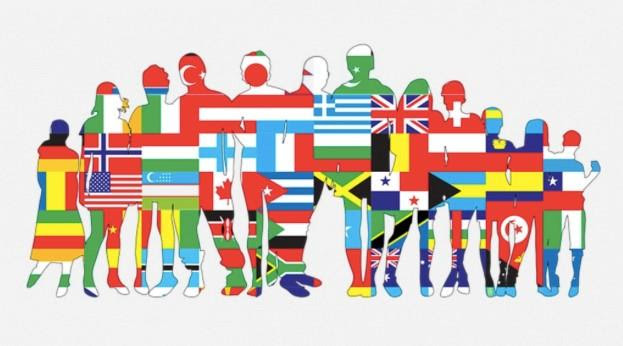
Another key dimension of cultural branding today is representation. Audiences expect brands to reflect the diversity of the world they live in. When people see themselves, their communities, or their values represented in advertising, it builds trust and loyalty.
This is why inclusive storytelling has become such a cornerstone of modern branding. Campaigns that celebrate different voices, cultures, and experiences resonate more deeply because they feel real. Culture is not monolithic—it’s dynamic, multifaceted, and ever-changing. The strongest brands understand this truth and make it a part of their identity.
Beyond Commerce: Brands as Cultural Shapers
Brands have influence not just in commerce but also in shaping society. Through collaborations with artists, musicians, and creators, they play an active role in defining what is “cool” or aspirational. Sponsorship of cultural festivals, support for emerging designers, or highlighting local traditions in global campaigns are all ways in which brands contribute to cultural exchange.
The most impactful brands don’t merely observe culture; they participate in it. They create spaces for dialogue, foster creativity, and often amplify voices that might otherwise go unheard. In doing so, they gain more than customers—they gain communities.
The Emotional Connection
Ultimately, what makes a brand culturally relevant is emotion. People may buy a product for its function, but they stay loyal to a brand because of how it makes them feel. Pride, nostalgia, belonging, or even empowerment—all of these emotions are tied to culture.
When a brand manages to trigger those feelings, it becomes more than a choice. It becomes part of someone’s story. And that is where culture and commerce meet most powerfully.
Conclusion
In today’s interconnected world, brands that resonate are those that understand culture as a living, breathing force. They move beyond transactions and instead focus on relationships—connecting values, traditions, and stories to modern lifestyles. By reflecting cultural identity, embracing diversity, and blending heritage with innovation, brands transform from simple businesses into cultural icons.
As consumers, we don’t just buy products; we buy into narratives, identities, and values. And the brands that understand this truth are the ones that will continue to shape our culture for generations to come.